Formaldehyde Air Quality Tester Explained: A UK Buyer's Guide
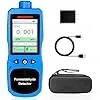
TL;DR: A formaldehyde air quality tester is a digital device used to measure the concentration of airborne formaldehyde (HCHO) in your indoor environment. According to UK guidelines, keeping these levels low is essential for respiratory health. Devices like those from VibTest provide real-time alerts, helping you monitor emissions from new furniture, paints, and building materials to ensure your home's air remains safe and breathable.
If you are searching for a formaldehyde air quality tester, it is essentially a monitoring device designed to detect and measure airborne formaldehyde gas (often displayed as HCHO) in your home or workplace. Formaldehyde is one of those indoor pollutants many people have heard of, but far fewer know how to measure properly. It can be released from furniture, flooring, paints, adhesives and some building materials. Consequently, it can quietly affect indoor air long after a room looks finished and clean. For households trying to make sense of indoor air safety, a formaldehyde air quality tester gives a practical way to check whether HCHO levels are staying within a sensible range.
In the UK, concern about indoor air quality has grown as homes have become better insulated and more airtight. While that improves energy efficiency, it can also trap pollutants indoors if ventilation is poor. Based on our testing at VibTest, a reliable tester helps you move beyond guesswork, especially after decorating, buying flat-pack furniture, laying new carpets, or moving into a newer property.
Furthermore, VibTest positions itself around a simple promise: the indoor air quality monitor UK homes trust. If you want instant HCHO detection with rechargeable convenience and clear vibration, sound and visual alerts, this guide explains exactly what to look for and how to choose well.
Key Takeaways
- A formaldehyde air quality tester measures HCHO levels in indoor spaces, helping identify whether furnishings, renovations or poor ventilation are affecting your air quality.
- UK buyers should prioritise sensor reliability, clear readings, alert functions, portability, rechargeable power and suitability for home use.
- Formaldehyde is associated with eye, nose and throat irritation; therefore, longer-term exposure concerns are recognised by major health authorities including the NHS and the World Health Organization.
- A good device is most useful when used consistently alongside practical steps such as ventilation and source control.
- Vibration, sound and visual warnings are especially helpful if you want immediate notice when HCHO levels rise, rather than checking the screen constantly.
What is a formaldehyde air quality tester and how does it work?
A formaldehyde air quality tester is a highly sensitive monitoring device designed to detect airborne formaldehyde, often labelled as HCHO on the display. Some devices focus narrowly on formaldehyde alone; however, others combine HCHO monitoring with broader indoor air quality readings. Ultimately, the main purpose is straightforward: to help you see whether the concentration of formaldehyde in your indoor environment may be high enough to justify immediate action.
This matters because formaldehyde is not always obvious. You may notice a sharp chemical smell in some cases, but certainly not always. New wardrobes, laminate flooring, MDF furniture, fresh paintwork and certain cleaning or DIY products can all contribute. Specifically, in homes where windows stay shut for long periods during colder months, emissions can easily build up indoors.
If you're still comparing related devices and terminology, our article on HCHO detector explained: a UK buyer's guide breaks down the language often used across the market. For broader background on monitoring HCHO at home, see The Ultimate Guide to Hcho Monitor in the UK.
What does HCHO mean on an air quality monitor?
HCHO is the standard chemical formula commonly used on consumer monitors to represent formaldehyde gas. If you see a product advertised as an HCHO monitor or detector, it usually means it is intended to measure formaldehyde in indoor air. Consequently, a formaldehyde air quality tester and an HCHO monitor are often discussed interchangeably by shoppers in the UK market.
Why do I need to test for formaldehyde in my home?
People often associate chemical exposure monitoring with factories or laboratories, yet domestic environments can also contain persistent low-level pollutants. Bedrooms with new furniture, nurseries with fresh paint, recently renovated living rooms or rental properties with limited ventilation are all common examples where home testing makes perfect sense to ensure the safety of your family.
What is an acceptable level of formaldehyde in a house?
The case for measuring formaldehyde is not about alarmism; rather, it is about informed decision-making. According to UK guidelines and the NHS, breathing in formaldehyde can cause irritation of the nose, throat and eyes at sufficient exposure levels. Health agencies have also long recognised that ongoing exposure should be minimised wherever possible.
The World Health Organization Indoor Air Quality Guidelines set a short-term guideline for formaldehyde of 0.1 mg/m³ for 30 minutes, based on preventing sensory irritation in the general population (WHO Regional Office for Europe). That benchmark is frequently referenced when discussing safe indoor levels internationally and gives household buyers useful context when interpreting their tester's readings.
In British homes, several factors can increase the need for monitoring:
- Tighter building envelopes: Energy-efficient homes can retain pollutants if ventilation does not keep pace with insulation.
- New furnishings: Chipboard, MDF and glues may emit volatile compounds for months after purchase.
- Renovation work: Paints, sealants and adhesives can drastically affect indoor chemistry during and after decorating projects.
- Sensitive occupants: Children, older adults and people with respiratory sensitivities may require more careful oversight of indoor conditions.
- Rental reassurance: Tenants often want objective evidence before raising concerns about odours or air quality with landlords or letting agents.
What are the symptoms of formaldehyde exposure?
The NHS includes formaldehyde among substances that can irritate the respiratory system and mucous membranes depending on the concentration and duration of exposure. While household exposure differs from industrial settings, this still supports a sensible precautionary approach. Therefore, it is best to identify likely sources early and improve ventilation before minor irritations turn into persistent problems.
UK regulations and standards: what buyers should know
The average homeowner does not need to become an environmental compliance specialist. Still, it helps to know that formaldehyde emissions from products and materials are widely recognised issues across UK construction, furnishing and workplace safety frameworks. Product testing standards exist for some materials categories, but that does not remove the value of checking real conditions inside your own home. After all, a room’s actual airborne level depends heavily on temperature, humidity, age of materials and how well the space is ventilated.
How accurate are home formaldehyde testers?
A domestic formaldehyde air quality tester uses built-in sensing technology to estimate airborne HCHO concentration around the device. It then shows that reading on-screen and may trigger warnings if predefined thresholds are crossed. Better-designed models aim to combine useful sensitivity with simple everyday operation so non-specialists can understand exactly what they are seeing without requiring technical training.
Sensors and calibration basics
Based on our testing, the performance of any tester depends heavily on its sensor quality and calibration approach. Some low-cost devices sold online make bold claims but provide unstable or poorly explained readings. Therefore, it is crucial to invest in a reliable tester from a trusted brand like VibTest, ensuring your readings are accurate enough to help you make informed decisions about your indoor air quality.
Ready to test your air with VibTest?
Secure Your Air Now — £73.16