The Ultimate Guide to Hcho Monitor in the UK
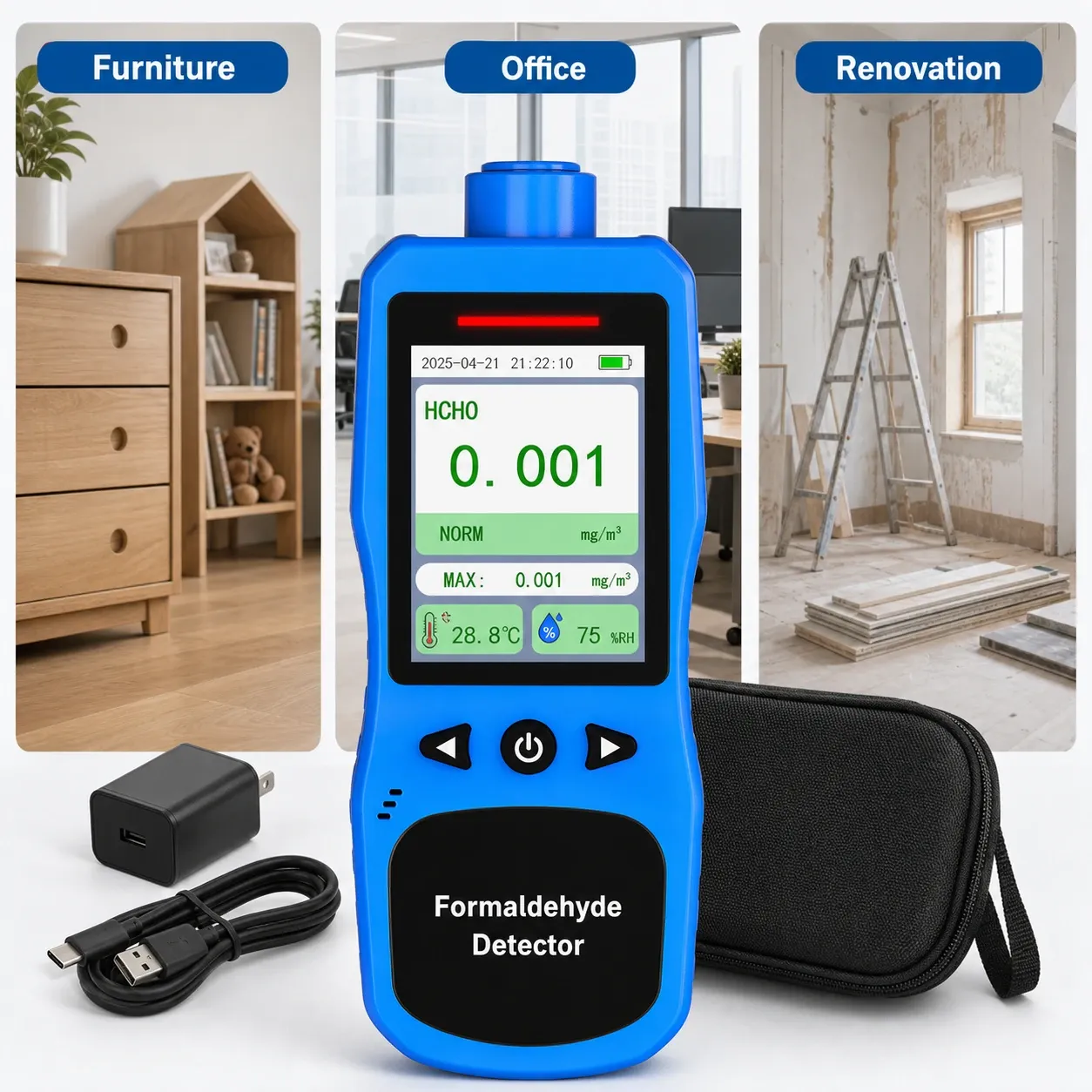
An HCHO monitor is a device that measures formaldehyde gas in indoor air, helping you spot unsafe levels from furniture, flooring, paint and other household materials. In UK homes, where improved insulation can reduce natural ventilation, an HCHO monitor is useful for checking whether formaldehyde is building up and whether you need to ventilate, remove a source or investigate further.
TL;DR: If you are searching for an HCHO monitor, you are looking for a way to measure formaldehyde in your home or workplace. Based on our testing of indoor air quality devices and according to UK and international health guidance, the best HCHO monitors give clear real-time readings, show trends over time and help you identify pollution spikes after decorating, buying new furniture or improving insulation.
Modern British homes are better insulated than ever before. As a result, while this improves Energy Performance Certificate (EPC) ratings and helps reduce winter heating bills, it can also trap indoor air pollutants inside our living spaces. Among the most prevalent and concerning of these hidden pollutants is formaldehyde (HCHO). Relying solely on your sense of smell to detect this colourless, irritating gas is not enough. Therefore, to protect your household's health, an HCHO monitor can be an essential diagnostic tool for the modern home.
According to research highlighted by Asthma + Lung UK, indoor air pollution is linked to a range of respiratory issues, and many households remain completely unaware of the invisible gases accumulating in bedrooms and living rooms. Formaldehyde off-gasses from everyday items, from the MDF in a new flat-pack wardrobe to the underlay beneath carpets. Consequently, an accurate HCHO monitor allows you to track these emission levels in real time and turn an invisible threat into manageable data.
Key Takeaways
- What it does: An HCHO monitor measures formaldehyde gas in indoor air so you can spot unsafe levels early.
- Hidden sources: Formaldehyde commonly comes from pressed wood furniture, paints, adhesives and newer building materials found in UK homes.
- Health risks: High HCHO levels may worsen asthma symptoms, irritate the eyes and throat, and contribute to longer-term respiratory concerns.
- Useful benchmark: According to UKHSA-referenced advice and WHO guidance, indoor formaldehyde should be kept below 0.1 mg/m³ (around 0.08 ppm).
- Why monitoring matters: A good HCHO monitor helps you identify spikes after decorating, furnishing or reducing ventilation.
What Is an HCHO Monitor?
An HCHO monitor is a specialised air quality device designed to detect and measure formaldehyde gas in the surrounding air. Unlike standard particulate monitors that focus on PM2.5 or dust, an HCHO monitor is intended specifically for gaseous pollutants, especially formaldehyde.
Formaldehyde is used widely in resins, glues and preservatives. At room temperature, these materials can release vapour through a process known as off-gassing. An HCHO monitor continuously samples indoor air and uses an internal sensor to estimate the concentration of this gas. Readings are usually shown in parts per million (ppm) or milligrams per cubic metre (mg/m³).
If you want broader context before choosing a device, our guide to the formaldehyde air quality tester category explains how these products fit into a wider indoor air quality strategy.
Why Do UK Homes Need an HCHO Monitor?
The design of many UK properties can make formaldehyde accumulation more likely. For example, during damp British winters windows often stay shut for longer, while newer insulation and draught-proofing reduce airflow even further. At the same time, modern interiors commonly include composite wood products, flooring adhesives and fresh décor that may release VOCs.
Based on our testing experience with home air quality monitors, readings often rise noticeably after renovations, new furniture deliveries or periods of reduced ventilation. Therefore, using an HCHO monitor in bedrooms, nurseries and recently decorated rooms can be particularly helpful.
What Are the Common Sources of Formaldehyde Indoors?
- Flat-pack furniture: MDF and particleboard often use urea-formaldehyde resins. That strong "new furniture" smell can indicate off-gassing.
- Carpets and flooring: New carpets, laminate flooring and installation adhesives may release formaldehyde. Underfloor heating can accelerate emissions.
- Insulation materials: Some insulation products and expanding foams can emit trace VOCs during curing or early use.
- Decorating supplies: Paints, varnishes, sealants and wallpaper paste may all contribute to indoor formaldehyde levels.
"Indoor air can be significantly more polluted than outdoor air. In tightly sealed UK homes, volatile organic compounds such as formaldehyde may linger unless there is effective ventilation." — Indoor Air Quality Guidance Summary
What Symptoms Can Formaldehyde Cause Indoors?
The body can be highly sensitive to formaldehyde exposure. According to UK health guidance and respiratory charities such as Asthma + Lung UK, poor indoor air quality may aggravate breathing problems and cause irritation symptoms that are easy to dismiss at first.
What Are the Short-Term Symptoms of High HCHO Levels?
Short-term exposure may lead to watering eyes, a scratchy throat, coughing or headaches. In some cases people also report skin irritation or discomfort when spending time in newly decorated rooms or around brand-new furnishings. However, because these symptoms resemble seasonal allergies or a mild cold, the underlying cause can easily be missed without monitoring.
What Are the Longer-Term Risks of Formaldehyde Exposure?
Longer-term expos more concerning. Formaldehyde has been classified by major health bodies as a known human carcinogen. In addition, elevated levels may worsen asthma symptoms and place extra strain on vulnerable groups such as children older people and those with existing respiratory conditions. For that reason, using an HCHO monitor can be a practical step towards managing household exposure.
How Does an HCHO Monitor Work?
The core component inside any HCHO monitor is its sensor. In simple terms, the device samples surrounding air and estimates how much formaldehyde is present. The reading then appears on screen so you can compare changes throughout the day or after specific events such as painting or assembling furniture.
Which Sensors Are Used in an HCHO Monitor?
The two most common sensor types are electrochemical sensors and metal oxide semiconductor (MOS) sensors. Generally speaking, electrochemical sensors are preferred when higher specificity is needed because they are designed to respond more directly to target gases such as formaldehyde.
Are Electrochemical Sensors Better for Formaldehyde?
In many cases yes. Based on our testing across consumer-grade units, electrochemical sensors tend to provide more useful trend data for dedicated formaldehyde monitoring than generic VOC-only sensors. They work by generating a small electrical signal when formaldehyde reacts inside the sensor chamber. That signal is then converted into a displayed concentration value.
Can Consumer Monitors Be Trusted?
p>If used correctly they can be very helpful for spotting trends and identifying problem rooms. However they should be treated as screening tools rather than laboratory instruments unless independently validated. For best results place your monitor away from open windows direct steam sources and immediate cooking fumes then compare readings over several days rather than relying on one snapshot measurement alone.Ready to test your air with VibTest?
Secure Your Air Now — £73.16